
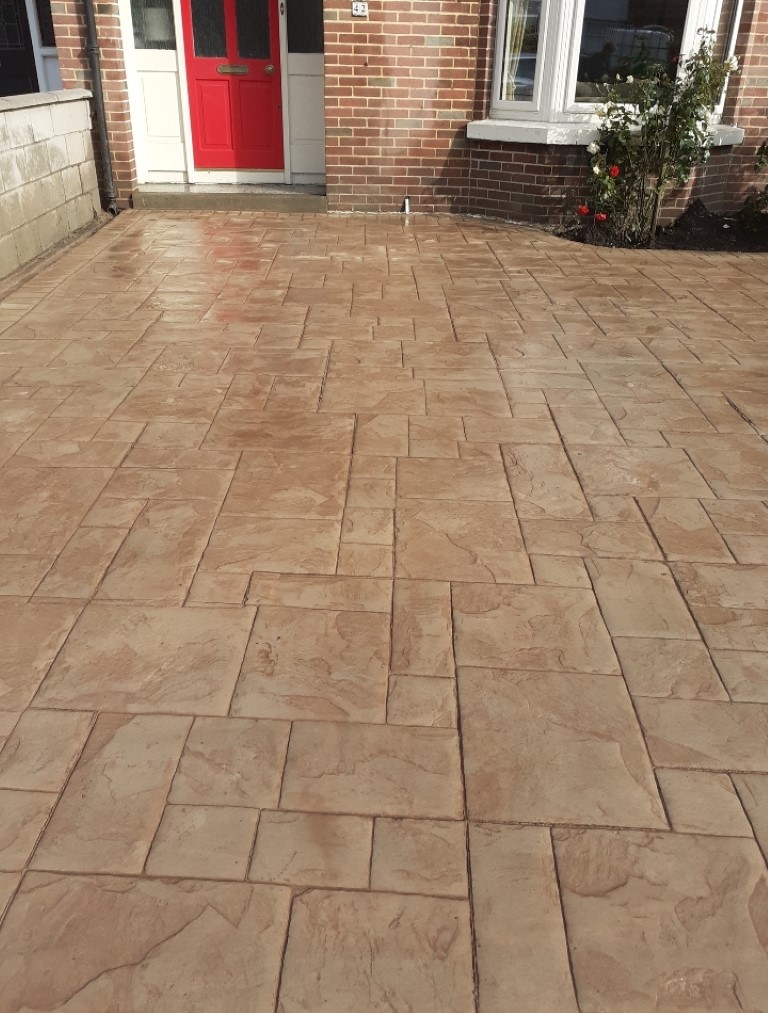

Concrete driveways come in two main surface finishes: brushed and smooth. Both serve the same structural purpose but handle weather, wear, and appearance differently. The choice affects safety, maintenance, and how long your driveway looks decent.
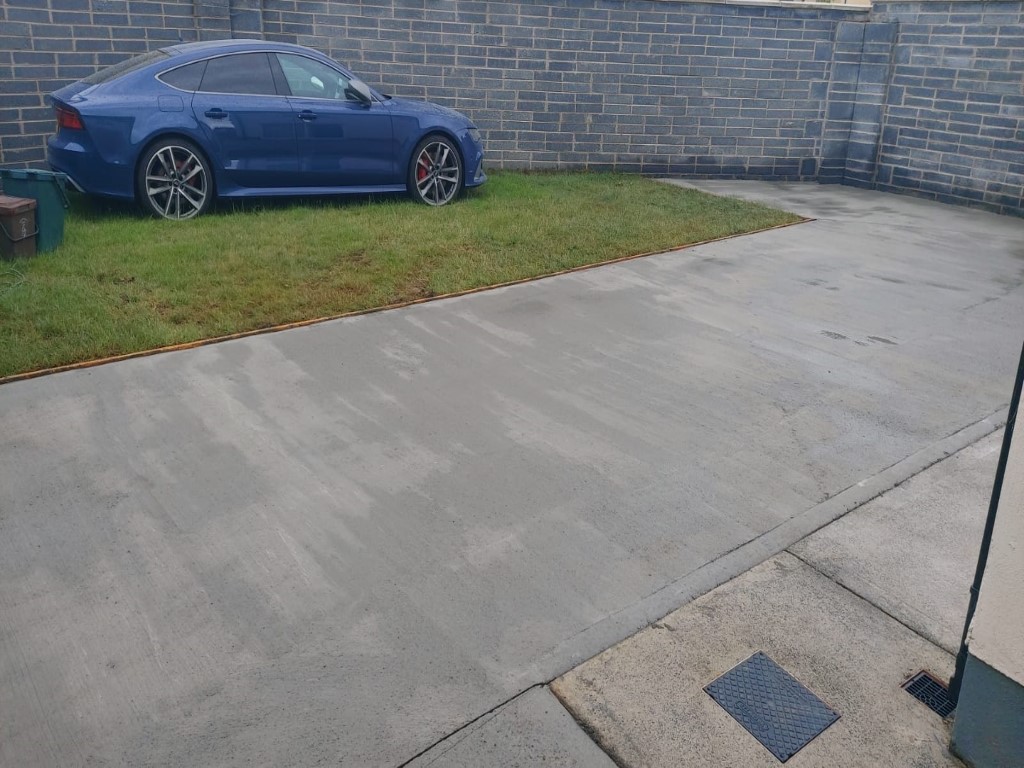
Smooth concrete gets trowelled to a flat, even surface during installation. It looks clean and modern when first laid. The surface reflects light well and shows off the concrete’s natural colour without texture interference.
Brushed concrete gets swept with a stiff broom while the surface is still workable. This creates shallow grooves running in one direction. The texture provides grip and hides minor imperfections that develop over time.
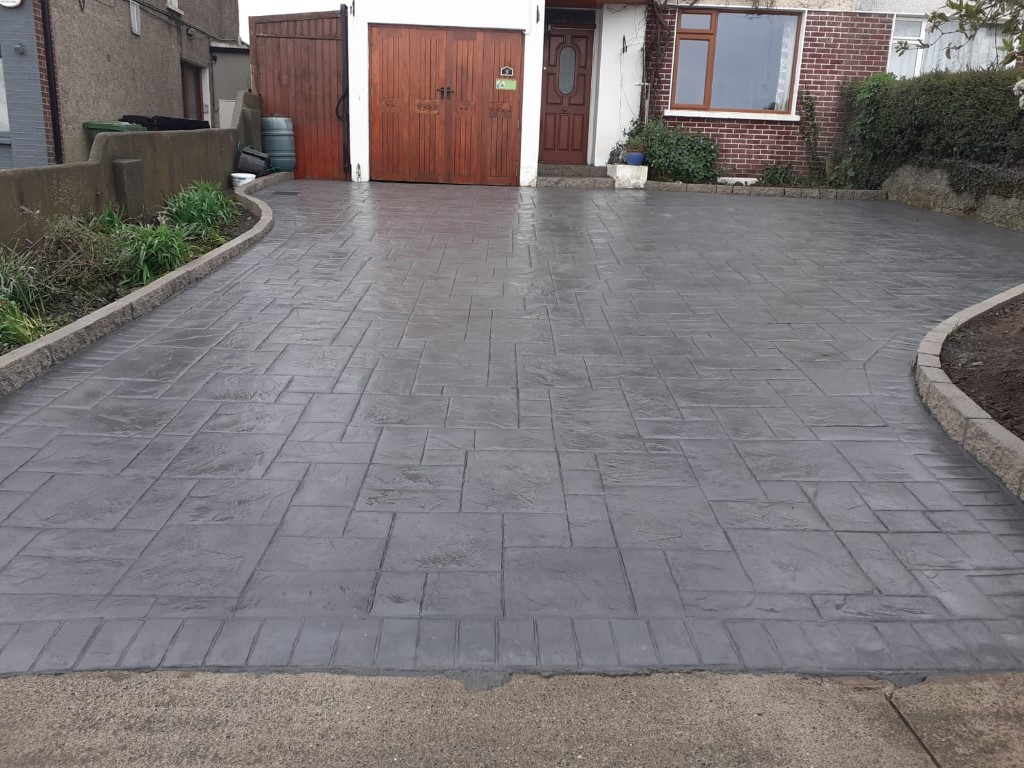
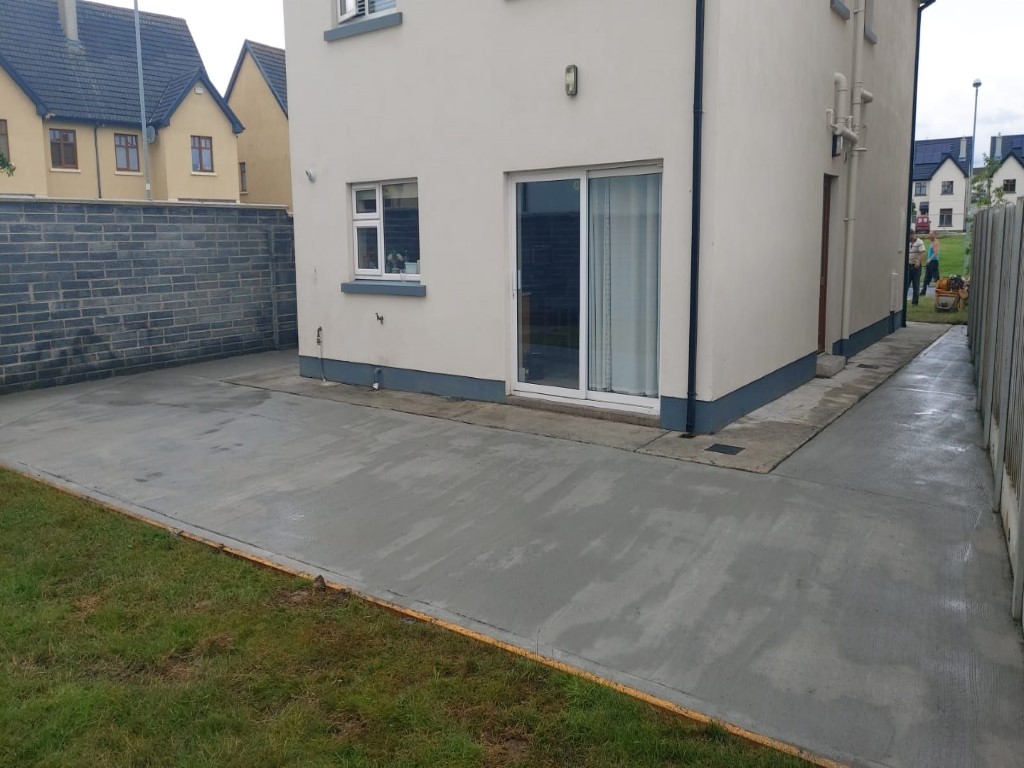
Concrete driveways excel in harsh weather conditions, maintaining structural integrity through freeze-thaw cycles and heavy rainfall. Their non-slip surface provides excellent traction year-round. However, when significant damage does occur, concrete repairs can be more complex than other materials, requiring specialised techniques to match existing surfaces perfectly.
Smooth concrete becomes dangerously slippery when wet or icy. In Rochdale’s climate, this means your driveway turns into a skating rink for several months each year. You’ll struggle to walk on it safely, never mind drive.
Brushed concrete grips much better in all weather. The grooves channel water away and provide traction for tyres and footwear. It’s not completely slip proof, but it’s significantly safer than smooth concrete.
Appearance and Maintenance
Smooth concrete shows every mark, stain, and crack immediately. Oil drips, tyre marks, and leaf stains all stand out clearly. Any settlement cracks become obvious features that draw the eye.
Brushed concrete hides minor stains and small cracks within its textured surface. Dirt sits in the grooves rather than spreading across the surface. It stays looking acceptable for longer between cleaning sessions.
However, brushed concrete collects debris in its grooves. Leaves, dirt, and moss build up over time. Pressure washing becomes essential maintenance rather than optional upkeep.
Cost and Installation Differences
Both finishes cost the same for materials and base preparation. The brushing adds about 10 minutes of labour per driveway, making it marginally more expensive. Most contractors charge the same price for either finish.
Smooth concrete requires more skill to get perfectly flat without trowel marks. Brushed concrete forgives minor technique variations because the broom texture masks small imperfections in the trowelling.
Which Should You Choose?
Choose brushed concrete if safety matters more than appearance. It performs better in wet weather and requires less frequent cleaning to look acceptable.
Choose smooth concrete only if you prioritise appearance over practicality and commit to regular maintenance. You’ll also need alternative grip surfaces or treatments for winter safety.
- Brushed concrete: safer, more forgiving, easier maintenance
- Smooth concrete: cleaner appearance, shows everything, dangerous when wet
- Cost difference: minimal
- Installation difficulty: smooth requires more skill